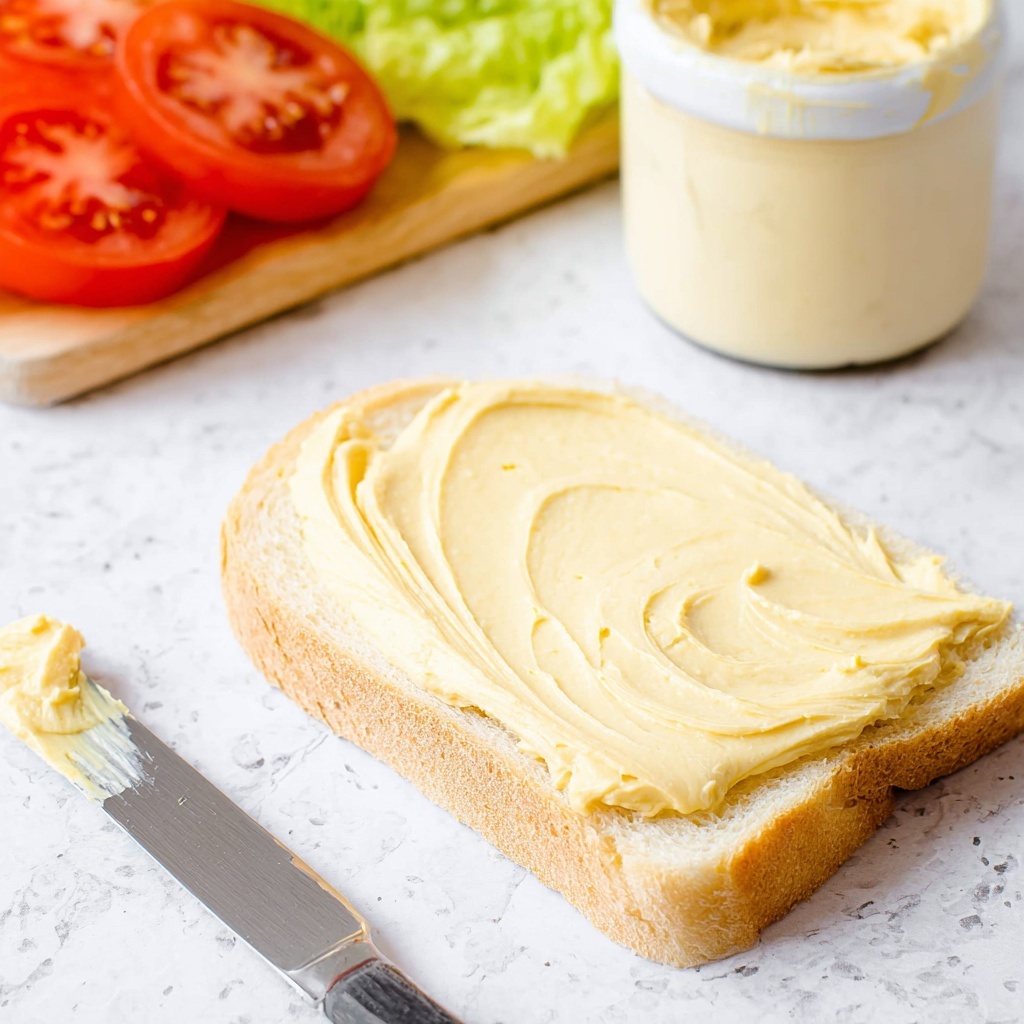
If you have ever thought about making your own creamy, tangy spread from scratch, let me introduce you to the magic of a Homemade Classic Mayonnaise Recipe. This simple yet delightful condiment elevates sandwiches, salads, and so much more with its rich texture and perfectly balanced flavor. What’s truly exciting is how approachable this recipe is—no fancy gadgets or hard-to-find ingredients, just a handful of essentials that come together to create something far better than any store-bought version. Once you master this, there will be no turning back to store jars.
Ingredients You’ll Need
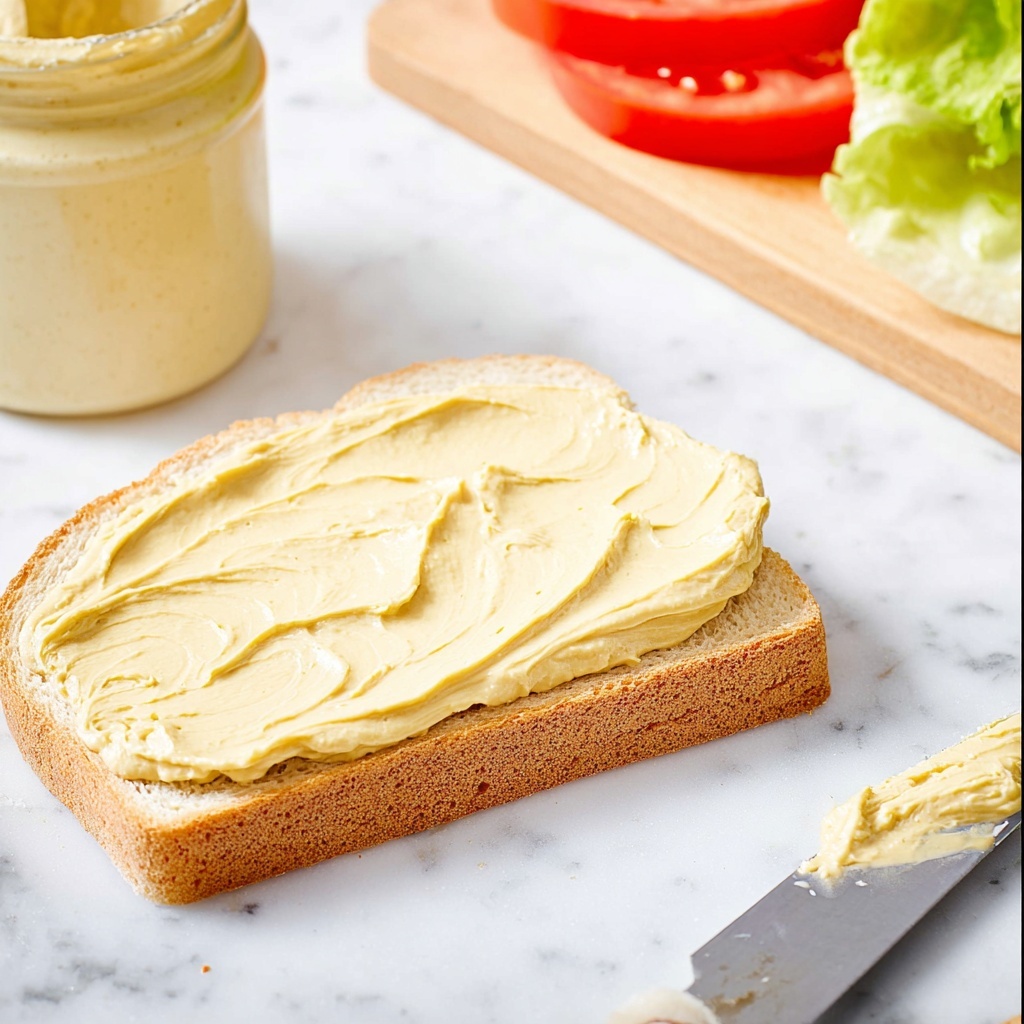
The beauty of this Homemade Classic Mayonnaise Recipe lies in its humble ingredients—each one plays a vital role in constructing the perfect silky texture and bright flavor. From the creamy egg yolks to the zing of fresh lemon, these staples readily available in your kitchen bring out the best in your mayo.
- 4 large egg yolks (room temperature): They provide the creamy base and richness essential for a stable emulsion.
- 1 tablespoon Dijon mustard: Adds subtle sharpness and helps stabilize the mixture.
- 2 tablespoons white vinegar: Offers acidity that balances the richness while enhancing flavor.
- 2 cups vegetable oil: The star ingredient for creaminess, providing the classic mayo texture.
- 2 tablespoons fresh lemon juice (from 1 lemon): Brings freshness and a lively citrus note.
- 1 teaspoon kosher salt (or to taste): Essential for seasoning and elevating every flavor.
How to Make Homemade Classic Mayonnaise Recipe
Step 1: Combine the Egg Yolks, Mustard, and Vinegar
Begin by whisking together the egg yolks, Dijon mustard, and white vinegar in a medium bowl. Using an immersion blender in a circular motion helps to fully incorporate these ingredients, setting the stage for the oil to emulsify beautifully. This initial blend is the foundation of your mayo’s creamy texture.
Step 2: Slowly Add the Oil While Blending
The key to a flawless Homemade Classic Mayonnaise Recipe lies in patience. Start adding the vegetable oil very slowly, literally just a couple of drops at a time, all while blending continuously in a circular motion. This gradual process allows the oil to combine properly with the egg mixture, resulting in a glossy, thickened mayonnaise that holds together perfectly without splitting.
Step 3: Finish with Lemon Juice and Salt
Once all the oil has been incorporated and you see a luscious, shiny mayo, add the fresh lemon juice and the kosher salt. Blend briefly just until everything is combined, which brightens the flavors and balances the richness with a hint of tanginess and seasoning.
How to Serve Homemade Classic Mayonnaise Recipe
Garnishes
To add visual interest and a flavor boost, sprinkle a pinch of smoked paprika, chopped fresh herbs like dill or chives, or even finely grated garlic on top. These simple garnishes can really elevate your mayo and surprise your guests with unexpected aromas.
Side Dishes
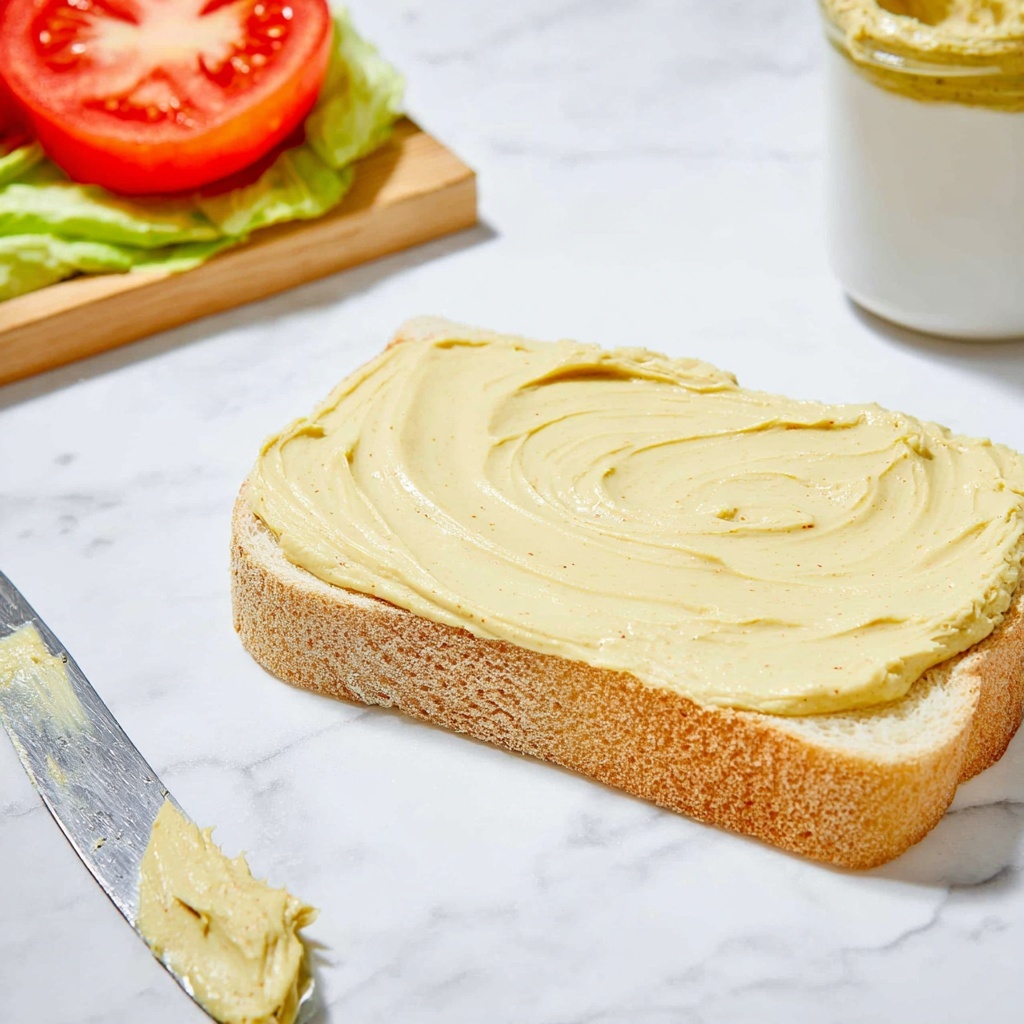
A classic mayo pairs wonderfully with crisp vegetable sticks such as carrots and celery, fried potatoes, or grilled meats. Think French fries dipped in your homemade mayo or as a luscious spread on a chicken sandwich—its creamy texture will complement rather than overpower.
Creative Ways to Present
You can get playful by using your mayo as a base for flavored variations—stir in some sriracha for a spicy kick or minced herbs for a fresh garden twist. Serve it in a small bowl surrounded by colorful veggies for a vibrant and inviting appetizer platter everyone can share.
Make Ahead and Storage
Storing Leftovers
Your Homemade Classic Mayonnaise Recipe should be kept in an airtight container in the refrigerator. It will stay fresh for up to one week, giving you plenty of time to enjoy it across multiple meals without worry.
Freezing
Freezing homemade mayonnaise is not recommended because the emulsion can break when thawed, leading to a separated, oily texture that’s difficult to recover. It is best enjoyed fresh or within the refrigerator storage time.
Reheating
Mayonnaise is best served cold or at room temperature. Reheating is unnecessary and will cause the emulsion to break down, ruining that beautiful creamy consistency you worked so hard to achieve.
FAQs
Can I use a regular blender instead of an immersion blender?
Yes! A regular blender can work well for making mayonnaise, just be sure to add the oil very slowly to maintain the emulsion and prevent it from breaking.
Do the eggs need to be pasteurized?
For safety reasons, especially if serving to children, pregnant individuals, or anyone with a compromised immune system, use pasteurized eggs or egg yolks to reduce the risk of salmonella.
What if my mayonnaise splits or doesn’t thicken?
If your mayo breaks or becomes oily, don’t worry. You can try starting with a fresh egg yolk in a clean bowl and slowly whisk the broken mayo into it to rescue the emulsion.
Can I substitute other oils, like olive oil?
You can, but keep in mind that olive oil has a stronger flavor and can sometimes make your mayo bitter. A mild vegetable oil is usually best for a classic, neutral taste.
How long does homemade mayonnaise last?
Stored properly in the refrigerator, it will keep for up to one week. Always check for any off smells or discoloration before using.
Final Thoughts
There is something truly special about making your own Homemade Classic Mayonnaise Recipe. It’s a simple, rewarding process that brings freshness and a personal touch to dishes that otherwise rely on store-bought bottles. Once you taste this rich, velvety mayonnaise made from scratch, you’ll understand why it quickly becomes a kitchen staple. So grab those ingredients, and enjoy the creamy goodness you just made yourself!
Print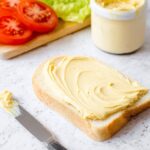
Homemade Classic Mayonnaise Recipe
- Prep Time: 10 minutes
- Cook Time: 0 minutes
- Total Time: 10 minutes
- Yield: 40 tablespoons (2½ cups)
- Category: Condiment
- Method: Blending
- Cuisine: American
Description
This classic homemade mayonnaise recipe yields a creamy and rich condiment perfect for sandwiches, salads, and dips. Made from simple ingredients like egg yolks, Dijon mustard, vinegar, and oil, it boasts a smooth texture and tangy flavor from fresh lemon juice, all emulsified effortlessly using an immersion blender.
Ingredients
Mayonnaise Ingredients
- 4 large egg yolks (room temperature)
- 1 tablespoon Dijon mustard
- 2 tablespoons white vinegar
- 2 cups vegetable oil
- 2 tablespoons fresh lemon juice (from 1 lemon)
- 1 teaspoon kosher salt (or to taste)
Instructions
- Combine base ingredients: Add the egg yolks, Dijon mustard, and white vinegar to a medium bowl. Using an immersion blender, blend these ingredients in a circular motion around the bowl until fully combined and smooth.
- Emulsify with oil: Slowly stream in the vegetable oil, starting with a few drops at a time while continuously blending in a circular motion. Gradually increase the flow once the mixture begins to emulsify. Continue adding the oil very slowly to ensure a thick, shiny mayonnaise is formed without breaking the emulsion.
- Finish with lemon juice and salt: Add the fresh lemon juice and kosher salt to the bowl. Blend briefly once more until just combined, enhancing the tang and seasoning without overmixing.
Notes
- Use room temperature egg yolks for better emulsification.
- Adding the oil very slowly at first ensures the mayonnaise emulsifies properly and doesn’t separate.
- Feel free to adjust the vinegar and lemon juice balance to taste for different tang levels.
- Store homemade mayonnaise in an airtight container in the refrigerator and consume within 3-5 days.
- For a different flavor profile, experiment with olive oil or flavored oils but be cautious as they can alter the taste and texture.