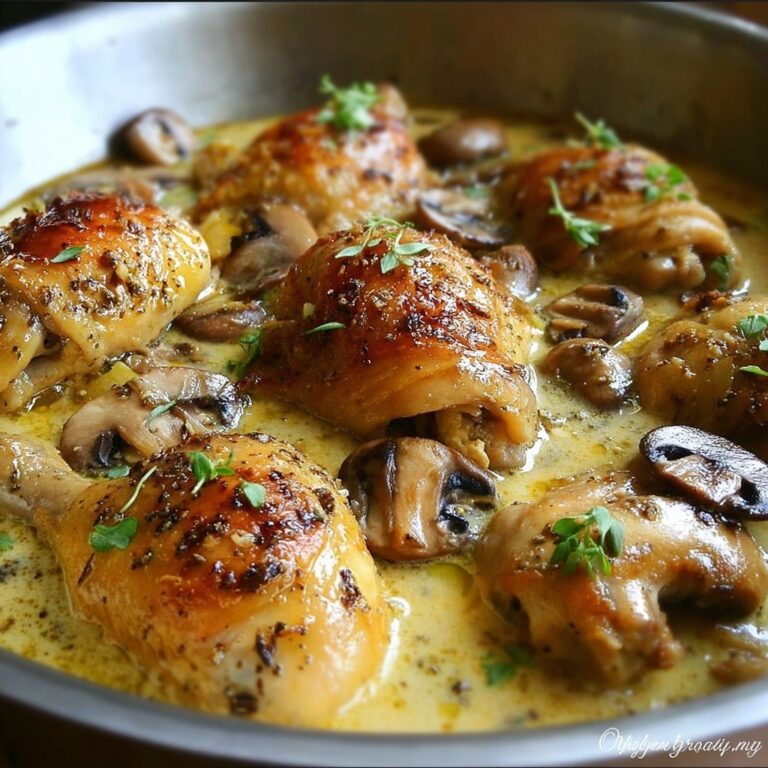

If you’re searching for a cozy, flavorful dish that feels like a warm hug in every bite, the Butternut Squash & Sage Orzo Recipe is exactly what you need. This comforting pasta features tender roasted butternut squash paired perfectly with the earthy aroma of crispy sage, all tossed with delicate orzo pasta that soaks up every bit of flavor. It’s an easy yet elegant meal that brings autumn’s best flavors to your table, making it a sure favorite whether it’s a weeknight dinner or a special occasion.
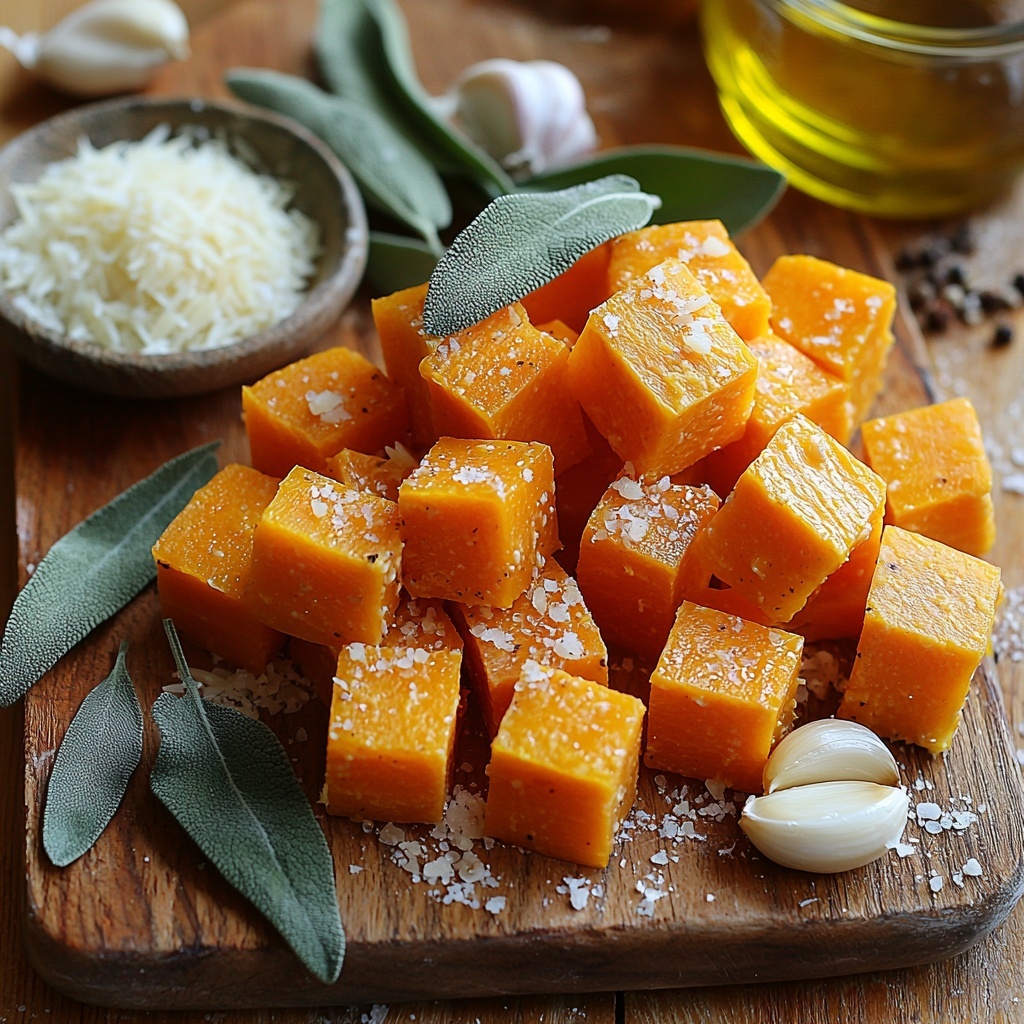
Ingredients You’ll Need
Simple, fresh ingredients come together in this recipe to create a dish that’s both vibrant in color and rich in taste. Each component plays a crucial role, from the sweetness of the butternut squash to the nutty Parmesan and fragrant sage, ensuring every bite bursts with comforting flavors and lovely textures.
- 2 cups butternut squash, peeled and diced: This provides natural sweetness and a creamy texture when roasted to golden perfection.
- 2 tablespoons olive oil or butter: Essential for roasting and sautéing, adding richness and depth to the dish.
- 1 cup orzo pasta: This tiny pasta cooks up tender and serves as the perfect base for absorbing all the delicious flavors.
- 1/4 cup fresh sage leaves: Adds an aromatic, earthy note that elevates the entire dish dramatically.
- 2 garlic cloves, minced: Infuses a subtle warmth and pungency that complements the squash beautifully.
- 1/4 cup grated Parmesan cheese (optional): Adds a salty, nutty finish that rounds out the flavor profile perfectly.
- 1/2 teaspoon salt: Enhances and balances all the natural flavors.
- 1/4 teaspoon black pepper: A hint of spice to keep things interesting and lively.
- 1/4 cup reserved pasta water (optional, for creaminess): Helps loosen the mixture creating a luscious, silky texture.
How to Make Butternut Squash & Sage Orzo Recipe
Step 1: Roast the Butternut Squash
Start by preheating your oven to 400°F (200°C). Toss the diced butternut squash with half of your olive oil or butter, along with salt and pepper. Spread the squash evenly across a baking sheet and roast it for 25 to 30 minutes until each piece turns a beautiful golden brown and becomes tender. This roasting process enhances the squash’s natural sweetness and creates a slight caramelized edge that will make your orzo dish irresistibly delicious.
Step 2: Cook the Orzo
While the squash is roasting, bring a pot of salted water to a boil and cook the orzo pasta according to the package instructions until al dente—still slightly firm to the bite. Carefully drain the pasta, but be sure to save about 1/4 cup of the pasta water; this starchy liquid is going to be your secret weapon for creating a luscious creaminess later on.
Step 3: Crisp the Sage Leaves
Heat the remaining olive oil or butter in a large skillet over medium heat. Add your fresh sage leaves and let them crisp up, about one to two minutes, flipping once so they don’t burn. Once crispy, transfer them to a paper towel-lined plate to drain off excess oil. These crispy sage leaves provide an aromatic crunch and stunning garnish that takes the dish to the next level.
Step 4: Sauté the Garlic and Combine
In the same skillet, add the minced garlic and sauté for about 30 seconds until fragrant but not browned. Next, add your roasted butternut squash and the cooked orzo pasta straight into the skillet. Give everything a good stir to combine, ensuring all those beautiful roasted bits and garlic flavors are evenly distributed.
Step 5: Create Creaminess and Finish
Add a splash of the reserved pasta water to the mixture to loosen it up and create a creamy texture that clings to every grain of orzo. Stir in the grated Parmesan cheese if you’re using it, then taste and adjust with more salt and pepper as needed. The cheese melts into the warm orzo, adding an extra layer of savory deliciousness.
Step 6: Garnish and Serve Warm
Finally, top your dish with those crispy sage leaves you prepared earlier for a burst of color, flavor, and delightful texture. Serve your Butternut Squash & Sage Orzo Recipe warm, and prepare for compliments to pour in because this is one dish that’s as pretty as it is scrumptious!
How to Serve Butternut Squash & Sage Orzo Recipe
Garnishes
Add a sprinkle of toasted pine nuts or chopped walnuts for an extra nutty crunch, or drizzle a little high-quality olive oil to add richness. A handful of freshly grated Parmesan right before serving also never hurts to elevate those cheesy notes. The crispy sage leaves not only add flavor but make for an elegant garnish that impresses visually.
Side Dishes
This orzo recipe pairs wonderfully with a crisp green salad dressed with lemon vinaigrette for freshness, or roasted Brussels sprouts for a wonderful balance of textures and flavors. You can also serve it alongside grilled chicken or pan-seared fish when you want a more substantial meal. It’s versatile enough to fit into both vegan and meat-inclusive menus depending on your cheese choice.
Creative Ways to Present
Serve the Butternut Squash & Sage Orzo Recipe in warm, shallow bowls to show off the vibrant colors. You can also stuff it inside roasted acorn squash halves for a stunning autumn-inspired presentation, perfect for dinner parties. Another fun idea is to layer it in clear glasses as a layered warm salad for a unique, modern look.
Make Ahead and Storage
Storing Leftovers
Store any leftovers in an airtight container in the refrigerator for up to 3 days. The flavors actually deepen a little overnight, making it taste even better the next day. Keep the crispy sage separate if you want to retain its crunch when reheating.
Freezing
While this dish is best enjoyed fresh, you can freeze leftovers if needed. Place the orzo in a freezer-safe container or bag, removing as much air as possible. Freeze for up to 1 month. To prevent sogginess, freeze without the crispy sage garnish and add fresh when reheating.
Reheating
Reheat gently on the stovetop over low to medium heat with a splash of water or broth to restore creaminess. Microwave reheating works well too—cover with a damp paper towel to keep moisture in and stir halfway through. Add fresh crispy sage just before serving to keep the garnish crisp.
FAQs
Can I use dried sage instead of fresh?
While fresh sage is ideal for crisping and adding that vibrant aroma, you can use dried sage if needed. Just stir it in during cooking instead of crisping it in oil, since dried sage won’t crisp the same way.
Is it necessary to save the pasta water?
Yes! The reserved pasta water contains starch which helps create a silky, creamy texture that pulls the whole dish together beautifully without adding any cream or extra fat.
Can I make this recipe vegan?
Absolutely! Simply swap the butter for olive oil and skip the Parmesan cheese or use a vegan cheese alternative. It still turns out wonderfully flavorful and creamy.
What can I substitute for butternut squash?
You can try sweet potatoes or pumpkin as a substitute. Both offer a similar sweetness and texture when roasted, making them great alternatives in this recipe.
How do I know when the orzo is perfectly cooked?
Cook the orzo until it’s al dente, which means it should be tender but still have a slight firmness or bite when you taste it. Follow package instructions closely and start tasting a minute or two before the suggested time.
Final Thoughts
I wholeheartedly encourage you to try this Butternut Squash & Sage Orzo Recipe soon. It’s the kind of dish that feels both comforting and special, perfect for any occasion where you want to impress yourself or your loved ones with simple, wholesome ingredients. Once you taste that delightful combination of roasted squash, crispy sage, and creamy orzo, I bet it will become a beloved staple in your kitchen too.
Print
Butternut Squash & Sage Orzo Recipe
- Prep Time: 10 minutes
- Cook Time: 30 minutes
- Total Time: 40 minutes
- Yield: 4 servings
- Category: Main Dish
- Method: Roasting
- Cuisine: Italian
- Diet: Vegetarian
Description
This Butternut Squash & Sage Orzo recipe is a comforting and elegant dish combining roasted butternut squash with tender orzo pasta, infused with crispy fresh sage and a touch of garlic. Perfect for a cozy dinner, this recipe balances creamy textures and savory flavors with simple ingredients, finished with a hint of Parmesan cheese for richness.
Ingredients
Vegetables & Herbs
- 2 cups butternut squash, peeled and diced
- 1/4 cup fresh sage leaves
- 2 garlic cloves, minced
Pantry & Dairy
- 2 tablespoons olive oil or butter (divided)
- 1 cup orzo pasta
- 1/4 cup grated Parmesan cheese (optional)
- 1/2 teaspoon salt
- 1/4 teaspoon black pepper
- 1/4 cup reserved pasta water (optional, for creaminess)
Instructions
- Roast the Butternut Squash: Preheat your oven to 400°F (200°C). Toss the diced butternut squash with 1 tablespoon of olive oil or butter, salt, and pepper. Spread the squash evenly on a baking sheet and roast for 25 to 30 minutes, until the pieces are golden and tender.
- Cook the Orzo: While the squash roasts, bring a pot of salted water to a boil. Add the orzo pasta and cook according to package instructions until al dente, usually around 8 to 10 minutes. Drain the pasta, reserving 1/4 cup of the pasta water for later use.
- Crisp the Sage Leaves: In a large skillet, heat the remaining 1 tablespoon of olive oil or butter over medium heat. Add the fresh sage leaves and cook for about 1 to 2 minutes until they become crisp. Remove the sage leaves from the skillet and place them on paper towels to drain excess oil.
- Sauté Garlic and Combine: Using the same skillet, add the minced garlic and sauté for about 30 seconds until fragrant. Then add the roasted butternut squash and cooked orzo pasta to the skillet. Stir well to combine all ingredients evenly.
- Create Creamy Texture: Pour in the reserved pasta water a little at a time to loosen the mixture and create a creamy texture. If using, stir in the grated Parmesan cheese. Taste and adjust seasoning with additional salt and black pepper as desired.
- Serve: Top the orzo and squash mixture with the crispy sage leaves. Serve warm as a flavorful side dish or a vegetarian main course.
Notes
- For a vegan version, omit the Parmesan cheese or use a plant-based alternative.
- Using butter instead of olive oil will give a richer flavor but can be swapped out for a lighter option.
- Reserve some pasta water as it helps create a creamy and cohesive sauce without adding extra dairy.
- You can prepare the butternut squash a day ahead and roast it to save time when cooking.
- This dish pairs well with grilled chicken or fish for added protein.