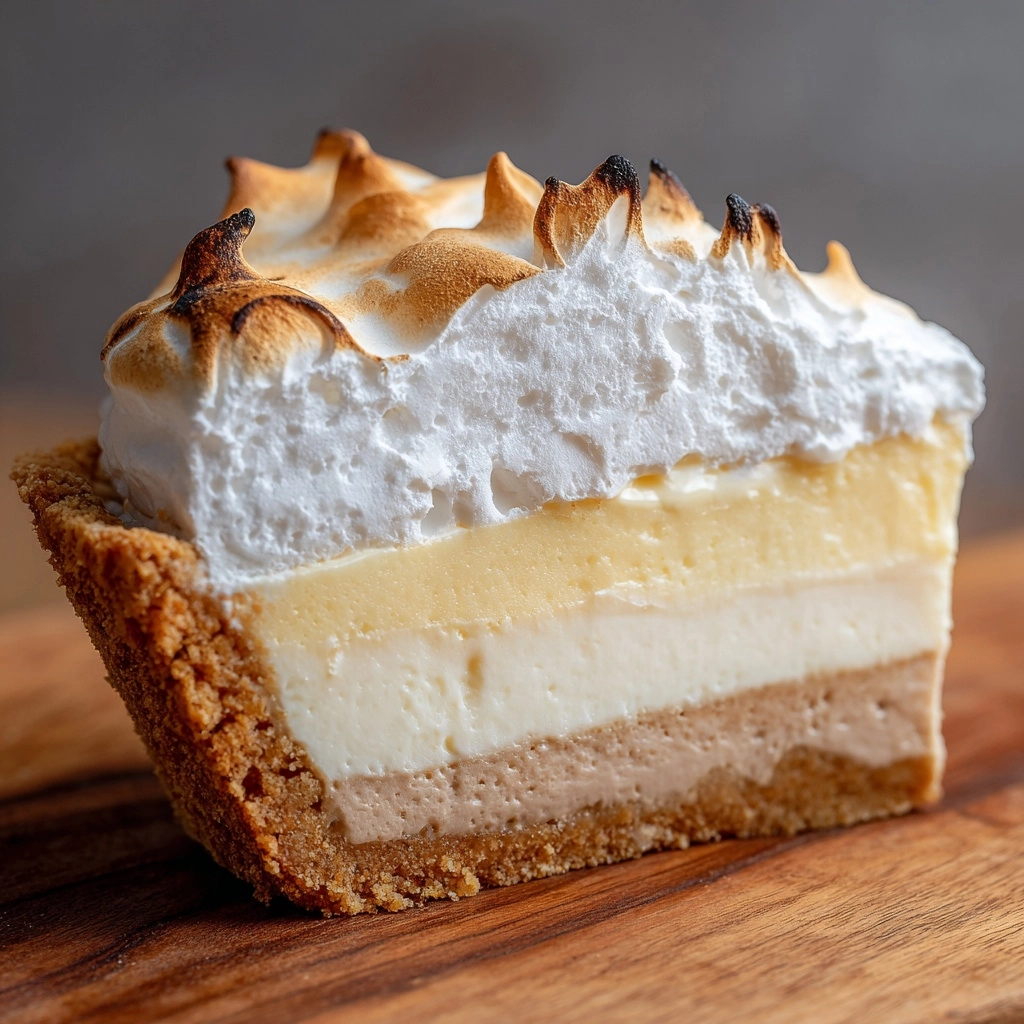
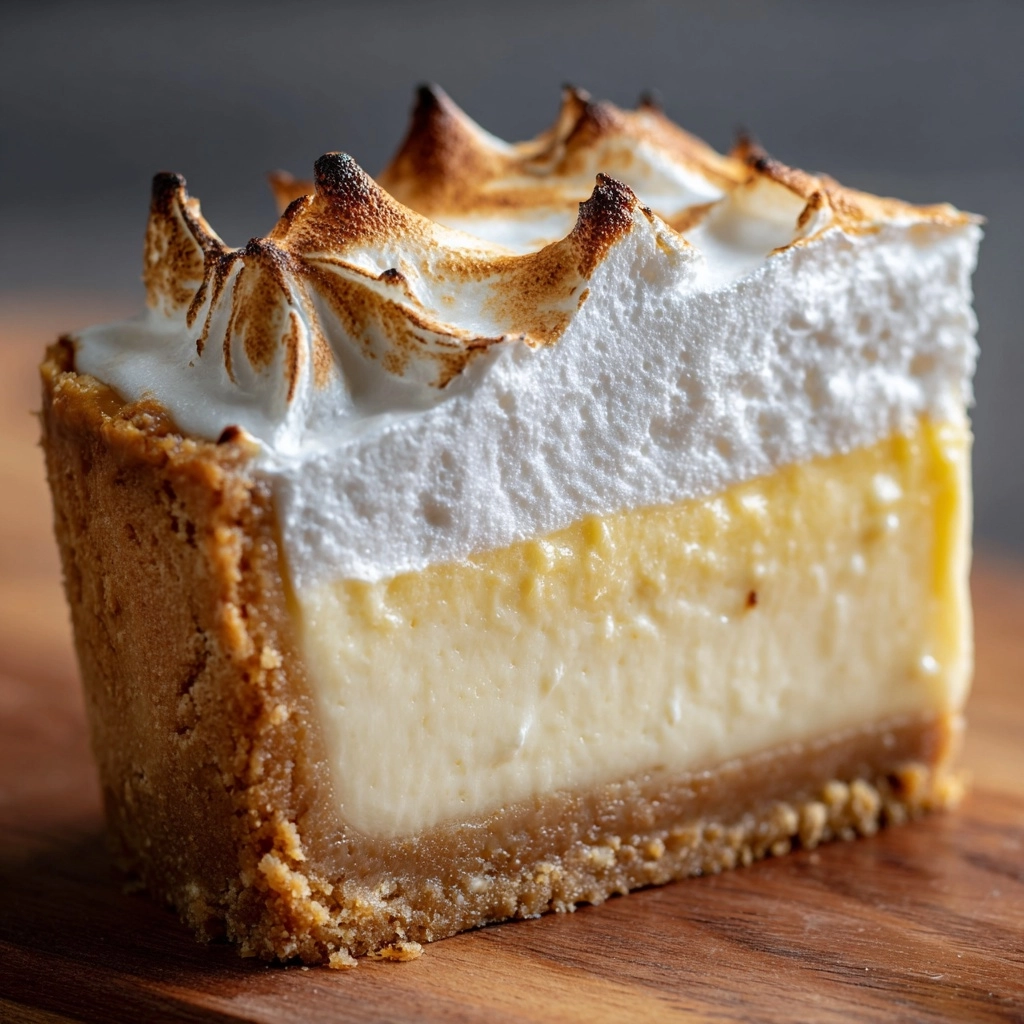
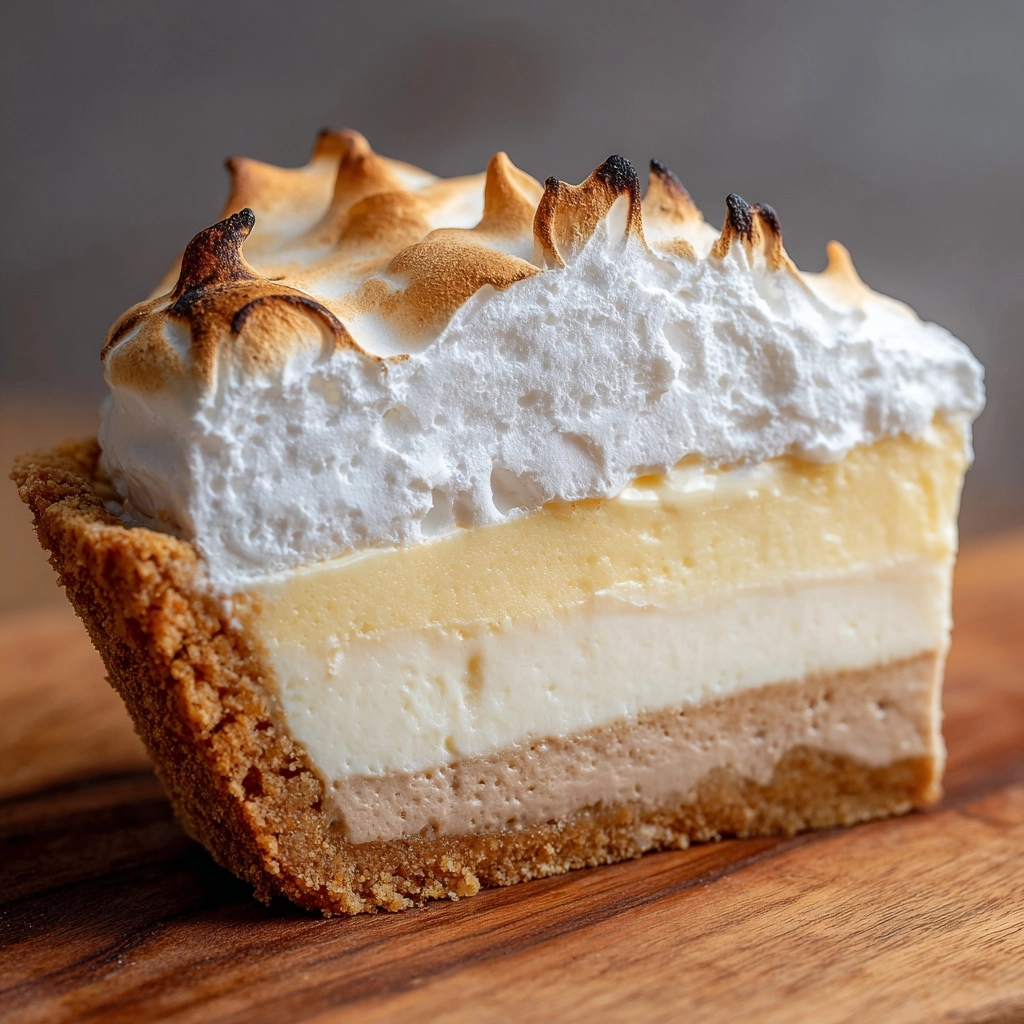
If you are craving a dessert that bursts with bright citrus flavor and delicate sweetness, this Lemon Meringue Cake Recipe is a must-try. Imagine tender, fluffy layers of cake infused with fresh lemon zest and juice, sandwiched with a luscious, tangy lemon curd, and crowned with a cloud of perfectly toasted meringue. This dessert is a beautiful harmony of textures and flavors that dance on your tongue—light, creamy, zesty, and sweet all at once. Whether you’re baking for a special occasion or just savoring a sunny afternoon, this cake is bound to become a beloved favorite in your recipe collection.
Ingredients You’ll Need
Gathering the right ingredients is the first step to nailing this recipe, and the best part is you’ll likely have many of them in your pantry. Each ingredient plays a crucial role—from the tang of fresh lemon juice and zest that makes the cake pop, to the silky richness of butter and eggs that build the texture and flavor.
- All-purpose flour (1 3/4 cups): Provides structure, with cornstarch helping to keep the crumb tender.
- Cornstarch (1 tablespoon): Keeps the cake light and delicate.
- Baking powder (1 tablespoon): Gives the cake a fluffy rise.
- Salt (1/2 teaspoon): Balances the sweetness and enhances flavor.
- Unsalted butter (3/4 cup, softened): Adds richness and moistness to the cake.
- Granulated sugar (1 cup): Sweetens the cake layer perfectly.
- Large eggs (4): Bind ingredients and add structure and moisture.
- Vanilla extract (1 teaspoon): Adds warmth and depth to the flavor.
- Lemon zest (zest of 2 lemons): Gives a fresh, aromatic citrus punch.
- Whole milk (1/2 cup): Keeps the cake rich without being heavy.
- Fresh lemon juice (1/2 cup): Adds natural tartness throughout the cake.
- Egg yolks (4) for lemon curd: Make the curd velvety and thick.
- Granulated sugar (2/3 cup) for lemon curd: Sweetens the curd just right.
- Fresh lemon juice (1/4 cup) for lemon curd: Concentrated tart flavor to elevate the curd.
- Lemon zest (zest of 1 lemon) for lemon curd: Infuses additional citrus aroma and flavor.
- Unsalted butter (4 tablespoons, cut into pieces) for lemon curd: Adds silkiness and richness to the curd.
- Egg whites (4) for meringue: Whipped into fluffy peaks for the cake’s signature light topping.
- Granulated sugar (1/2 cup) for meringue: Stabilizes and sweetens the meringue.
- Cream of tartar (1/4 teaspoon) for meringue: Helps the egg whites hold their structure.
- Vanilla extract (1/2 teaspoon) for meringue: Adds subtle sweetness and flavor depth.
How to Make Lemon Meringue Cake Recipe
Step 1: Prepare the Cake Layers
Preheat your oven to 350°F (175°C), and get two 8-inch round cake pans ready by greasing, flouring, and lining the bottoms with parchment paper. In a bowl, whisk the dry ingredients together — flour, cornstarch, baking powder, and salt — so they’re evenly mixed. In another large bowl, cream your softened butter with sugar until light and fluffy, which takes about 3 to 5 minutes; this step is key for a tender crumb. Add in the eggs one at a time for full incorporation, then stir in vanilla extract and the vibrant lemon zest. Now alternate adding the dry mixture and the liquid components, whole milk and fresh lemon juice, mixing just until combined to avoid overworking the batter. Pour this luscious lemony batter evenly into your pans, smoothing the tops, and bake for about 25 to 30 minutes until a toothpick poked into the center comes out clean. Once baked, set the cakes aside to cool completely on wire racks—patience here will pay off in perfect assembly.
Step 2: Make the Lemon Curd
While the cakes cool, whisk together the egg yolks, sugar, fresh lemon juice, and lemon zest in a saucepan over medium heat. Stir constantly as the mixture thickens, which usually takes about 5 to 7 minutes—steady stirring prevents curdling and ensures a silky texture. When it’s thick enough to coat the back of a spoon, remove the pan from heat and swirl in the butter pieces until you have a smooth, glossy curd. Let this chill in the refrigerator to firm up as you prepare the next component.
Step 3: Whip the Meringue Topping
To create the classic, fluffy meringue topping, beat the egg whites with cream of tartar until soft peaks form, then gradually add sugar while continuing to beat until you get stiff, shiny peaks—that moment when the meringue holds its shape but is still glossy is the sweet spot. Finish by whipping in the vanilla extract for that hint of warmth that balances the sharp lemon notes beautifully.
Step 4: Assemble and Brown the Cake
Lay one cooled cake layer on your serving plate and generously spread the chilled lemon curd all over the top. Place the second layer on top and cover the entire cake — top and sides — with the fluffy meringue, smoothing it out or creating lovely swirls with the back of a spoon for that irresistible look. For the final touch, gently toast the meringue with a kitchen torch until golden brown all over or pop it briefly under a broiler for 1 to 2 minutes, watching carefully to avoid burning. Serve this showstopper right away or chill until you’re ready to wow your guests.
How to Serve Lemon Meringue Cake Recipe
Garnishes
Adding a few thoughtful garnishes can take your Lemon Meringue Cake Recipe to the next level. Consider sprinkling finely grated lemon zest over the meringue for an extra pop of color and citrus aroma. Fresh mint leaves or edible flowers also work beautifully to add a touch of elegance and a hint of refreshing fragrance. Thin slices of candied lemon peel offer a chewy, sweet-tart complement that will delight your guests visually and on the palate.
Side Dishes
This bright cake pairs wonderfully with light, complementary sides. A scoop of vanilla bean ice cream or a dollop of freshly whipped cream makes for a creamy contrast to the zesty lemon curd. Fresh berries, particularly blueberries or raspberries, add both color and a tart balance. For drinks, a cup of herbal tea or a crisp glass of chilled sparkling wine enhances the citrus experience and helps cleanse the palate between bites.
Creative Ways to Present
If you want to wow friends and family, serve individual portions of this Lemon Meringue Cake Recipe in clear glass trifle bowls layered with extra curd and meringue. You can also bake the lemon cake in cupcake tins and top each mini cake with meringue, torching them individually for a charming presentation. Another fun idea is to slice the cake into bars and pipe meringue rosettes on top, making it easy to serve at picnics or casual gatherings while keeping the elegance intact.
Make Ahead and Storage
Storing Leftovers
Once assembled, this Lemon Meringue Cake Recipe is best enjoyed within 3 days. Keep it covered and refrigerated to maintain freshness and avoid the meringue from weeping or becoming soggy. Use an airtight cake carrier or tent with plastic wrap lightly to prevent the meringue from sticking.
Freezing
Freezing the assembled cake isn’t recommended because the meringue can lose its lovely texture and become watery upon thawing. However, you can freeze the baked cake layers separately, well wrapped in plastic wrap and then foil, for up to 2 months. Defrost them fully in the fridge before assembling with fresh lemon curd and meringue.
Reheating
Reheat leftover pie slices gently at room temperature if you want to soften the cake slightly, but avoid microwaving the meringue as it may collapse or become rubbery. If you wish to refresh the toasted look, a quick pass under the broiler for a few seconds can revive the golden peaks, just be watchful to prevent burning.
FAQs
Can I use bottled lemon juice instead of fresh?
Fresh lemon juice is preferred for the best flavor and brightness in the cake and lemon curd, but in a pinch, bottled lemon juice can work. Just make sure it’s pure lemon juice without added sugars or preservatives for the truest taste.
What can I use instead of cream of tartar in the meringue?
If you don’t have cream of tartar, you can substitute it with a few drops of lemon juice or white vinegar to stabilize the egg whites while beating your meringue.
Is this cake suitable for vegetarians?
Yes, this Lemon Meringue Cake Recipe is vegetarian-friendly as it contains no meat products; it relies on eggs, dairy, and plant-based ingredients.
How do I prevent the meringue from weeping?
To minimize weeping, ensure that the lemon curd is chilled and thick before spreading, and the cake is assembled just prior to serving. Also, whipping the egg whites properly and not under or over beating helps create a stable meringue.
Can I make this cake gluten-free?
You can adapt the recipe by substituting the all-purpose flour with a gluten-free baking blend that includes xanthan gum for structure. Keep in mind texture might vary slightly but it will still be delicious.
Final Thoughts
This Lemon Meringue Cake Recipe truly captures the heart of what a classic citrus dessert should be: bright, creamy, and utterly irresistible. Baking and sharing it feels like passing along a joyful little sunshine slice to your loved ones. I hope you’ll dive in, savor every tangy bite, and add your own special touches to make it your own. Happy baking and even happier eating!
Print
Lemon Meringue Cake Recipe
- Prep Time: 30 minutes
- Cook Time: 30 minutes
- Total Time: 1 hour 30 minutes
- Yield: 10–12 slices
- Category: Dessert
- Method: Baking
- Cuisine: American
- Diet: Vegetarian
Description
This Lemon Meringue Cake is a delightful fusion of tangy lemon curd sandwiched between soft, buttery cake layers and topped with a beautifully toasted meringue. Perfect for summer or any occasion that calls for a light, citrus-infused dessert, this cake combines classic baking techniques with fresh lemon flavor and a fluffy meringue topping for an impressive yet approachable treat.
Ingredients
For the Cake:
- 1 3/4 cups all-purpose flour
- 1 tablespoon cornstarch
- 1 tablespoon baking powder
- 1/2 teaspoon salt
- 3/4 cup unsalted butter (softened)
- 1 cup granulated sugar
- 4 large eggs
- 1 teaspoon vanilla extract
- Zest of 2 lemons
- 1/2 cup whole milk
- 1/2 cup fresh lemon juice
For the Lemon Curd:
- 4 large egg yolks
- 2/3 cup granulated sugar
- 1/4 cup fresh lemon juice
- Zest of 1 lemon
- 4 tablespoons unsalted butter (cut into pieces)
For the Meringue Topping:
- 4 large egg whites
- 1/2 cup granulated sugar
- 1/4 teaspoon cream of tartar
- 1/2 teaspoon vanilla extract
Instructions
- Preheat and prepare pans: Preheat your oven to 350°F (175°C). Grease and flour two 8-inch round cake pans, then line the bottoms with parchment paper to ensure easy removal.
- Mix dry ingredients: In a medium-sized bowl, whisk together the flour, cornstarch, baking powder, and salt, ensuring even distribution of leavening agents and seasonings.
- Cream butter and sugar: In a large mixing bowl, beat the softened butter and granulated sugar until the mixture becomes light and fluffy, which will help produce a tender crumb.
- Add eggs and flavorings: Incorporate eggs one at a time into the creamed butter mixture, beating well after each addition. Then, mix in the vanilla extract and lemon zest to infuse bright, citrus flavor.
- Combine wet and dry ingredients: Add the flour mixture to the wet ingredients in three parts, alternating with the milk and fresh lemon juice, beginning and ending with the flour mixture. Stir gently until just combined to avoid overmixing.
- Fill pans and bake: Divide the batter evenly between the prepared pans and smooth the tops. Bake the cakes for 25–30 minutes or until a toothpick inserted into the center comes out clean. Remove from oven and allow to cool completely in the pans before removing.
- Make lemon curd: In a saucepan over medium heat, whisk together the egg yolks, sugar, lemon juice, and lemon zest. Cook this mixture while stirring constantly until it thickens, about 5–7 minutes. Remove from heat and stir in the butter pieces until smooth. Transfer to a bowl and chill until ready to assemble.
- Prepare meringue: Beat the egg whites with cream of tartar in a clean bowl until soft peaks form. Gradually add the sugar, continuing to beat until the peaks are stiff and glossy. Finally, fold in the vanilla extract for flavor.
- Assemble the cake: Place one cooled cake layer on your serving plate and spread a generous amount of lemon curd on top. Carefully place the second cake layer over it.
- Apply and toast meringue: Spread the prepared meringue evenly on the top and sides of the cake. Use a kitchen torch to lightly toast the meringue until golden brown, or alternatively, place the cake under a broiler for 1–2 minutes watching closely to avoid burning.
- Serve and store: Serve the cake immediately for best texture of the meringue, or refrigerate until ready. Leftover cake should be stored covered in the refrigerator and consumed within 3 days for optimal freshness.
Notes
- Use a kitchen torch to achieve precise control over browning the meringue for an evenly toasted finish.
- The cake layers and lemon curd can be prepared a day in advance to save time; assemble just before serving to maintain meringue texture.
- Store leftovers covered in the refrigerator and consume within 3 days to retain freshness and safety.