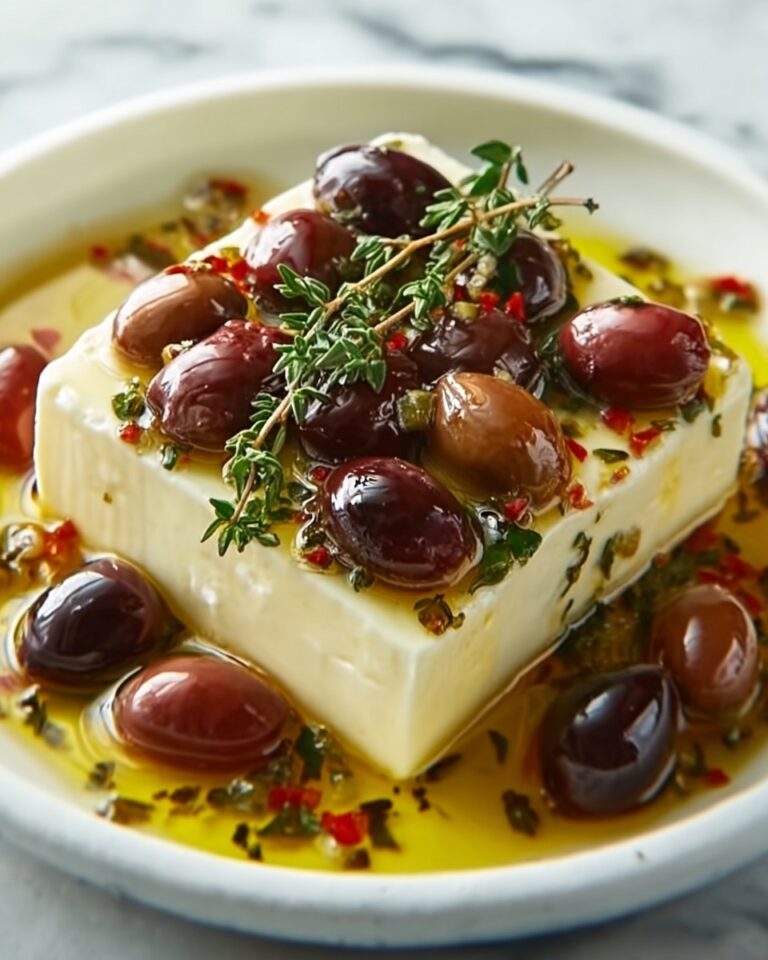
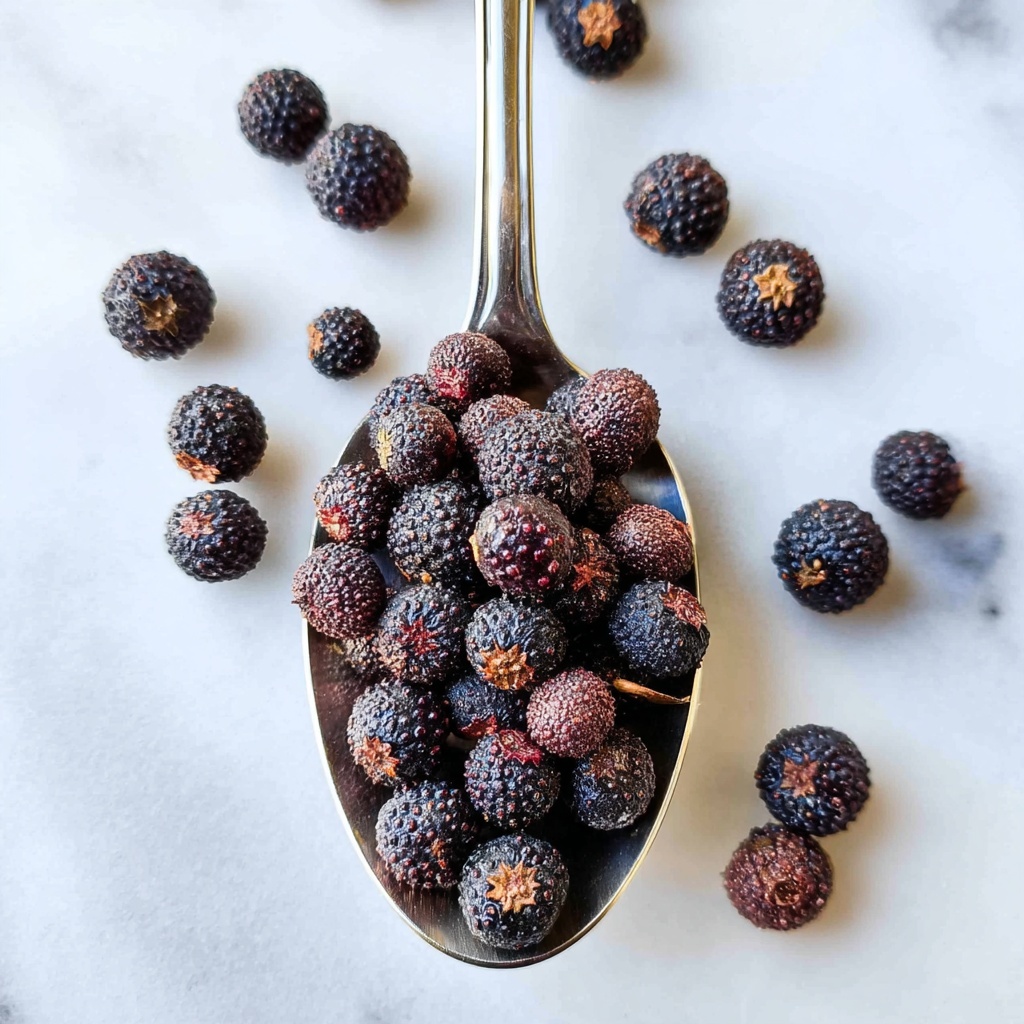
If you’ve ever wondered about the magic behind those mysterious little pine-scented berries, you’re in for a treat. This guide dives deep into How to Use Juniper Berries Recipe to unlock the secrets of their unique flavor, demonstrating how they add an incredible aromatic punch to meats, sauces, and stews. Whether you’re a seasoned cook or just starting out, learning to use juniper berries properly will elevate your dishes with hints of citrus and pine that awaken the palate and turn the ordinary extraordinary.
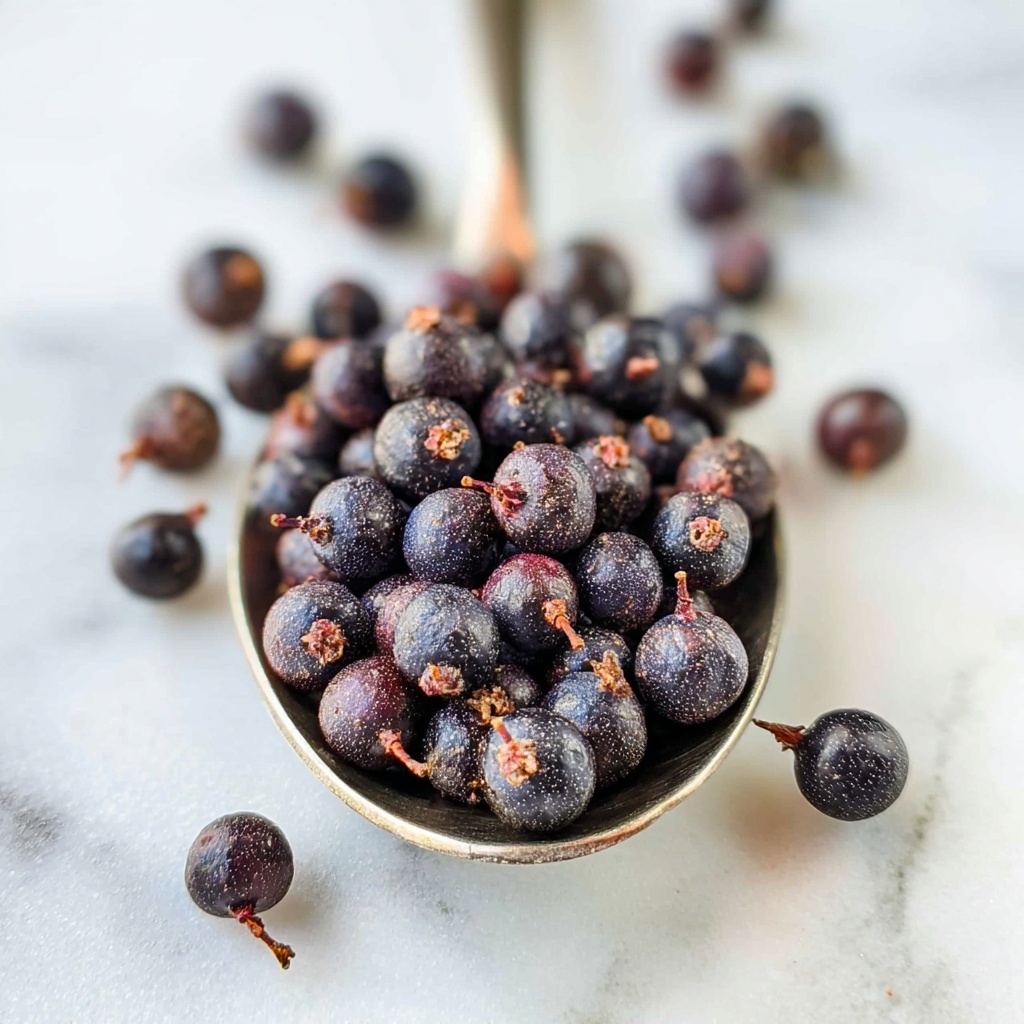
Ingredients You’ll Need
Creating a delicious juniper-infused dish is wonderfully simple, relying on a handful of key ingredients that all play a crucial role in balancing the flavors and textures. Each one works harmoniously with the juniper berries to bring out their remarkable complexity.
- Juniper berries (whole or crushed, dried or fresh): The star ingredient—choose culinary-grade for safe and delicious results.
- Water or cooking liquid: Essential for infusing the berries’ delicate oils into your dish, whether as broth, wine, or stock.
- Optional herbs and spices (e.g., rosemary, garlic, bay leaves): These accents create depth and enhance the rich flavors of game or other meats.
- Meats or vegetables of choice: The canvas that carries the unique fragrance and flavor of juniper, from robust lamb to hearty root veggies.
How to Make How to Use Juniper Berries Recipe
Step 1: Preparing the Juniper Berries
Start by giving your juniper berries a gentle crush to unlock their essential oils—using the back of a knife or a mortar and pestle works beautifully. This simple step is key because it releases the intense pine-like and citrus notes that make juniper berries so special. Remember, if you’re using dried berries, you’ll want to slightly reduce the quantity since their flavor is more concentrated than fresh ones.
Step 2: Infusing Your Cooking Liquid
Add 3 to 5 crushed juniper berries to your chosen water, broth, or wine. This infusion stage allows the liquid to absorb the aromatic qualities, creating a flavorful base for sauces, stews, or marinades. Let it simmer gently, but not too long, to retain the delicate balance without turning bitter.
Step 3: Combining With Herbs and Meats
Pair juniper berries with herbs like rosemary, garlic, and bay leaves, especially when working with game meats such as venison, boar, or lamb. The herbs marry with the berries’ bright, resinous tones to build a robust seasoning that’s complex yet beautifully harmonious. Add these aromatics when you toss your meat in or as part of a marinade or brine for maximum flavor penetration.
Step 4: Cooking and Removing the Berries
As your dish cooks, allow the juniper berries to soften and infuse completely, but be sure to remove them before serving. While they’re fantastic for imparting flavor during cooking, biting into whole berries can be overpowering. Alternatively, you can grind the berries into a spice blend if you prefer a more subtle, integrated flavor.
How to Serve How to Use Juniper Berries Recipe
Garnishes
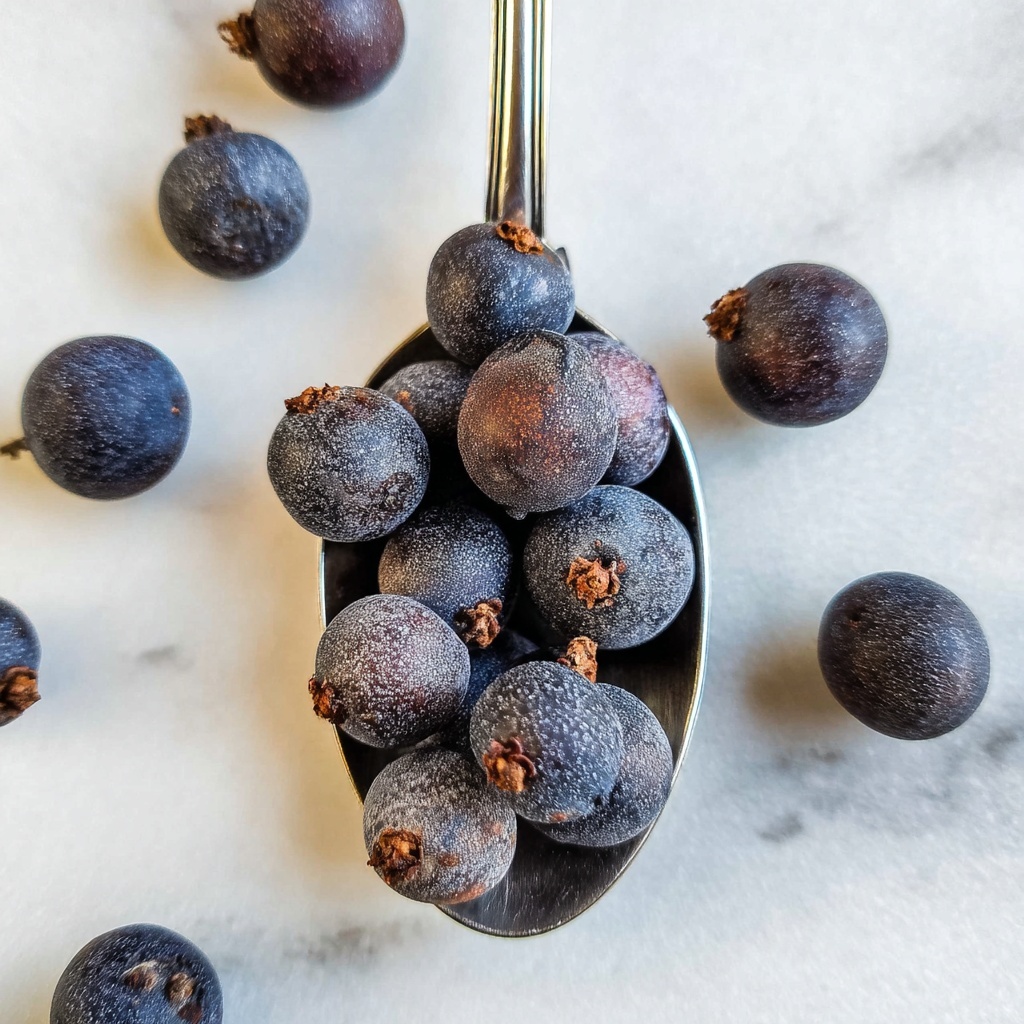
Though juniper berries themselves are generally removed before serving, the aromatic experience can be intensified with garnishes that visually and aromatically complement the dish. Fresh sprigs of rosemary or a few crushed juniper berries dusted lightly on the plate can create an enticing presentation and hint at the flavors within.
Side Dishes
Juniper’s piney and citrusy notes pair beautifully with root vegetables roasted in the same infusion or a creamy, herbed mashed potato. For something lighter, braised red cabbage or fennel salad adds a refreshing contrast to the rich, game-inspired main courses.
Creative Ways to Present
Try weaving the essence of juniper berries into unexpected formats like infused butters or compound salts. Sprinkling a juniper-spiced salt at the table invites diners into a customized flavor adventure. Or present it within a rustic-brined meat plate, where guests can appreciate how juniper elevates traditional, hearty entrees.
Make Ahead and Storage
Storing Leftovers
Leftovers enhanced with juniper berry flavors should be stored in airtight containers in the refrigerator. The flavors often deepen over time, so using them within 2 to 3 days is ideal to enjoy the freshest taste and aromatic quality.
Freezing
Freezing dishes seasoned with juniper berries is totally doable and retains the flavor well. Just be sure to remove the whole berries before freezing if they haven’t already dissolved or been ground fine. This prevents any overwhelming bursts of flavor upon reheating.
Reheating
When reheating, do so gently over low to medium heat to preserve the delicate aromatic oils. Avoid microwaving at high power to keep the flavors bright—not muddled or bitter. A slow warm-up is best for dishes infused with juniper berries.
FAQs
What exactly do juniper berries taste like?
Juniper berries offer a distinctive piney flavor with hints of citrus and a subtle sweetness. They bring a fresh, resinous aroma that can brighten hearty dishes and add complexity to sauces or marinades.
Can I use juniper berries in dishes other than meats?
Absolutely! While they shine in meat dishes, juniper berries also complement vegetables, especially root vegetables, and can be used in sauces or even some cocktails. Their versatility adds a lovely aromatic lift wherever you use them.
How much juniper should I use without overpowering my dish?
Since juniper berries are quite potent, start with 3 to 5 lightly crushed berries for a medium-sized recipe. It’s better to err on the side of caution because too many can make a dish taste soapy or overly piney.
Are all juniper berries edible?
No, only juniper berries from the species Juniperus communis are considered culinary-safe. Other varieties can be toxic, so always buy from a reputable source labeled for cooking use.
Is it safe for everyone to consume juniper berries?
Juniper berries are generally safe in culinary amounts, but pregnant women should avoid large quantities as they can have stimulating effects. If you have any health concerns, consult your healthcare provider before using them.
Final Thoughts
Embracing How to Use Juniper Berries Recipe opens up a world of rich, aromatic possibilities in your kitchen. These little berries might seem simple, but they carry such a wonderful, complex character that every cook should experiment with. Give it a try next time you want to add a unique twist to your meats or sauces—you’ll be amazed at how this humble spice transforms your cooking into something truly memorable.
Print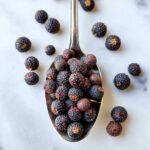
How to Use Juniper Berries Recipe
- Prep Time: 2 minutes
- Cook Time: Varies depending on recipe; typically 10-60 minutes
- Total Time: 2 minutes plus cooking time
- Yield: Varies based on use, typically serves 4-6 in recipes
- Category: How-To, Seasoning
- Method: Infusion
- Cuisine: European, American
- Diet: Gluten Free
Description
Learn how to use juniper berries to add a unique pine-like, slightly citrusy flavor to your meats, sauces, and brines. This guide covers the best methods to crush and infuse juniper berries, ideal for seasoning game meats such as venison, boar, and lamb, as well as enhancing broths and stews.
Ingredients
Ingredients
- 3 to 5 juniper berries (whole or crushed, dried or fresh)
- Water or cooking liquid (as needed)
- Optional herbs and spices: rosemary, garlic, bay leaves
- Meats or vegetables of choice for seasoning
Instructions
- Crush the berries: Lightly crush 3 to 5 juniper berries using the back of a knife or a mortar and pestle to release their aromatic oils and enhance their flavor.
- Add berries to liquids: Incorporate the crushed juniper berries into marinades, brines, or stews to infuse a pine-like, slightly citrusy flavor into the dish.
- Season game meats: Combine juniper berries with herbs such as rosemary, garlic, and bay leaves to create a robust seasoning for game meats like venison, boar, or lamb.
- Simmer for depth: Simmer the berries in broths or sauces to deepen and enhance the overall flavor profile of your recipes.
- Remove before serving: Remove whole juniper berries before serving to avoid biting into them, unless they have been ground into a spice blend.
Notes
- Use juniper berries sparingly as they are potent and can overpower a dish.
- Only culinary-grade juniper (Juniperus communis) is safe and recommended for cooking.
- Not all juniper varieties are edible; ensure the correct type is used.
- Avoid large quantities during pregnancy due to potential risks.