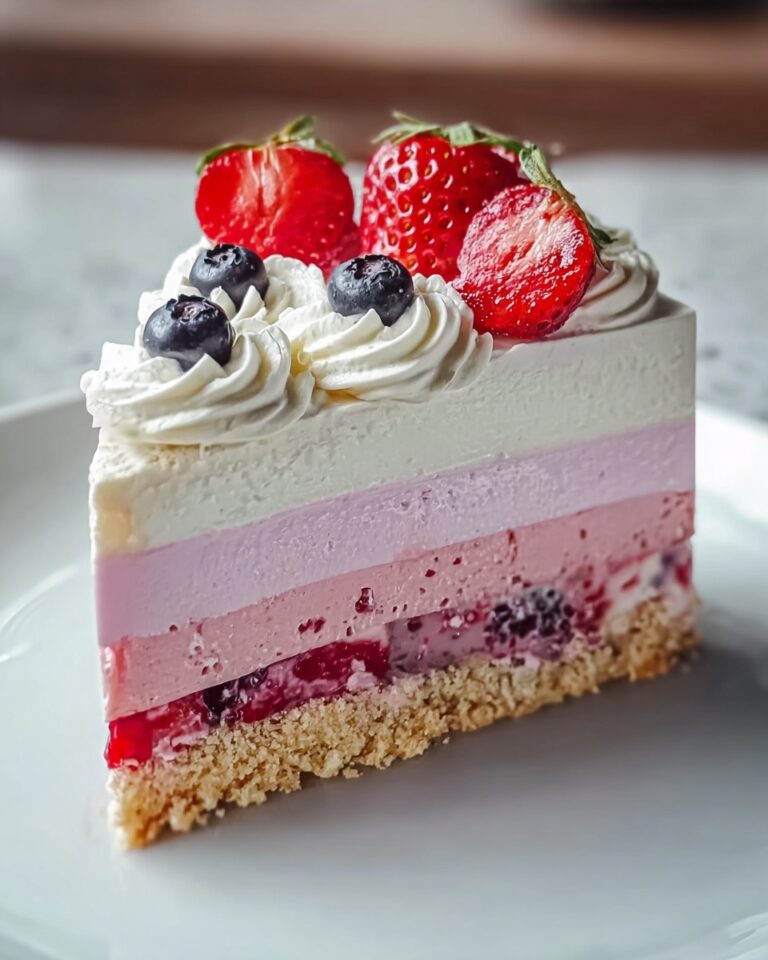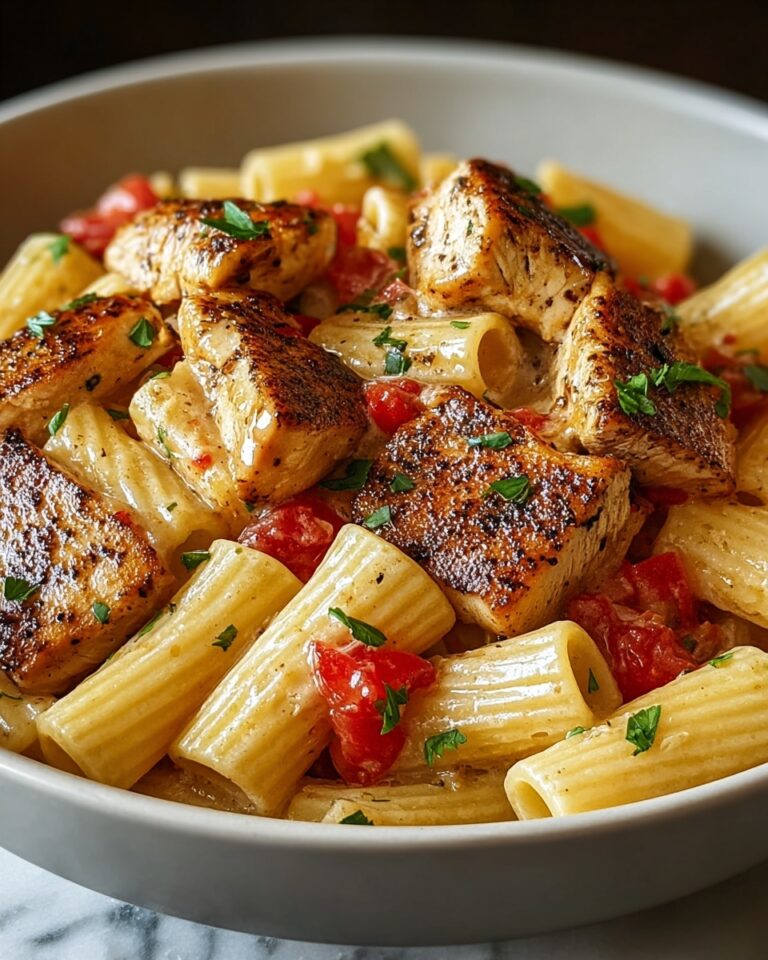
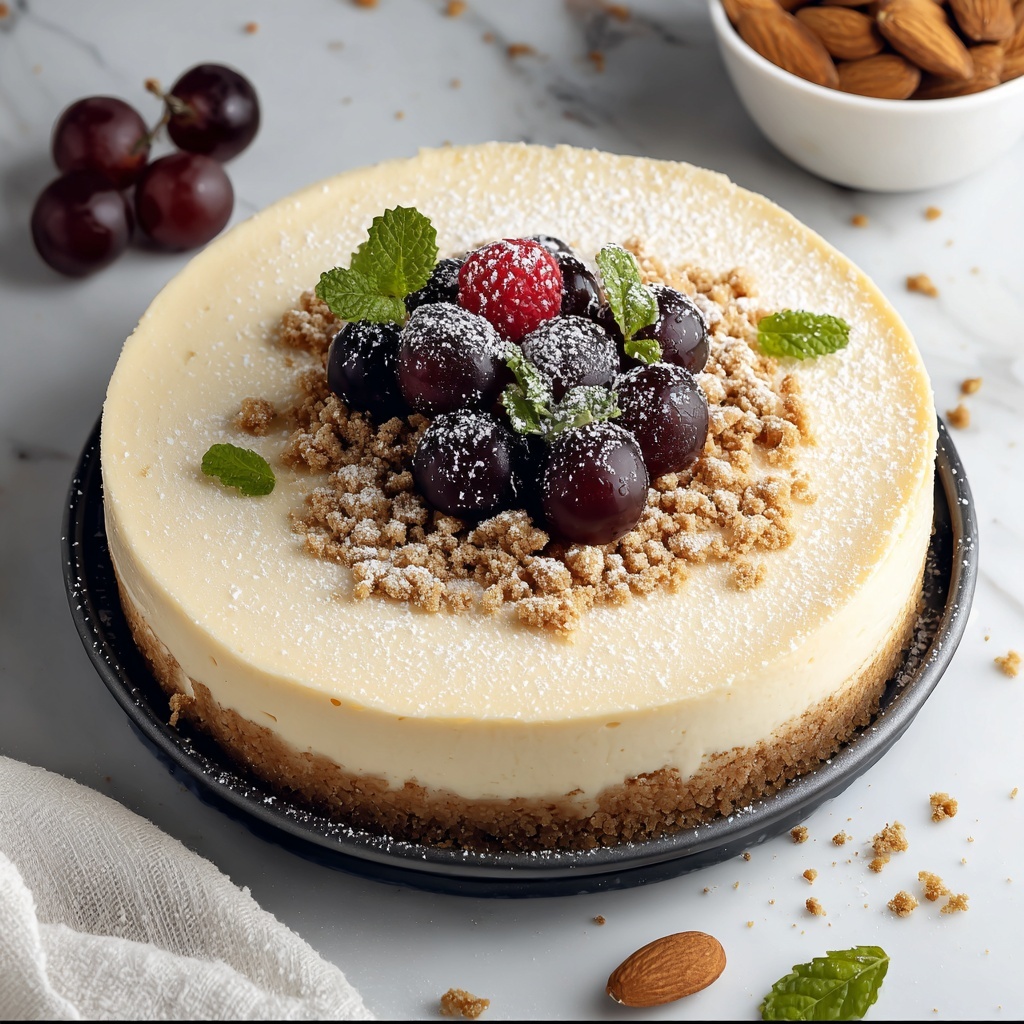
If you have a craving for the perfect sweet treat that never goes out of style, you will absolutely love this Classic Vanilla Cake Recipe. It combines the timeless charm of rich vanilla flavor with a tender, moist crumb that’s both simple and utterly delightful. Whether you’re baking for a special occasion or just want an excuse to enjoy some homemade goodness, this cake is a dependable crowd-pleaser that feels like a warm hug in every bite.
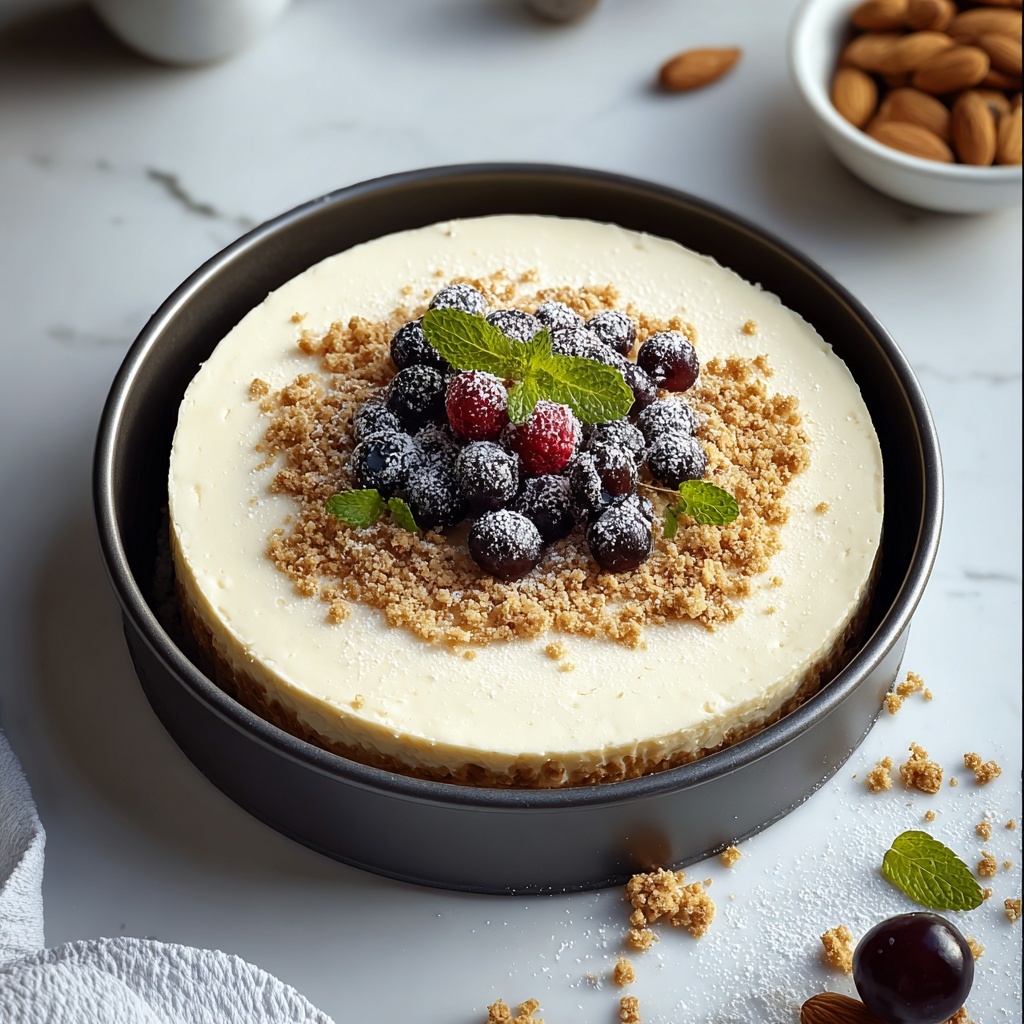
Ingredients You’ll Need
While this recipe uses straightforward ingredients, each one plays an essential role in achieving that classic cake texture and flavor. From the fluffy butter to the warm vanilla extract, every element adds its own magic to the mix.
- All-purpose flour: Provides the structure to hold everything together while keeping the crumb tender.
- Baking powder: The leavening agent that gives the cake the perfect rise and fluffy texture.
- Salt: Enhances the sweetness and balances the flavor beautifully.
- Unsalted butter (softened): Gives richness and moisture, while allowing for a creamy mixing process.
- Granulated sugar: Sweetens the cake and helps create a tender crumb.
- Large eggs: Bind ingredients and add to the cake’s lightness and structure.
- Vanilla extract: The star flavor that makes this recipe a true classic.
- Milk: Adds moisture and helps blend everything into a smooth batter.
How to Make Classic Vanilla Cake Recipe
Step 1: Prep Your Oven and Pans
Start by preheating your oven to 350°F (180°C). Greasing two 9-inch round cake pans ensures your cakes will release easily after baking without losing any of that lovely crust.
Step 2: Combine Dry Ingredients
Whisking together the all-purpose flour, baking powder, and salt in a medium bowl creates an even distribution of leavening and seasoning, which means no pockets of flour or baking powder in your batter.
Step 3: Cream Butter and Sugar
In a separate large bowl, beat the softened butter and granulated sugar until the mixture is light in color and fluffy in texture. This step is crucial for that tender crumb and overall cake rise.
Step 4: Add Eggs
Beat in the eggs one at a time, making sure each is fully incorporated before adding the next. This careful addition prevents curdling and helps create a smooth batter.
Step 5: Mix in Vanilla
Adding in the vanilla extract infuses the cake with that unmistakable classic vanilla aroma and flavor that will fill your kitchen with irresistible warmth.
Step 6: Alternate Dry Ingredients and Milk
Gradually add the dry flour mixture to the wet ingredients, alternating with milk and starting and ending with the flour. This method helps keep the batter smooth without becoming overworked.
Step 7: Blend Until Smooth
Mix until just combined and smooth—overmixing can toughen your cake, so a gentle hand here preserves that soft texture we all love.
Step 8: Divide Batter Between Pans
Evenly split the batter between your prepared pans to ensure uniform baking and the perfect height for stacking.
Step 9: Bake to Perfection
Pop the pans in the oven and bake for 25-30 minutes. Test for doneness by inserting a toothpick in the center; if it comes out clean, your cake is ready to come out.
Step 10: Cool in Pans
Let the cakes cool in their pans for 10 minutes. This brief resting period helps them firm up slightly, making them easier to handle.
Step 11: Transfer to Wire Racks
Carefully invert your cakes onto wire racks so they can cool completely before frosting. This step prevents sogginess and keeps your cake fresh and crisp.
How to Serve Classic Vanilla Cake Recipe
Garnishes
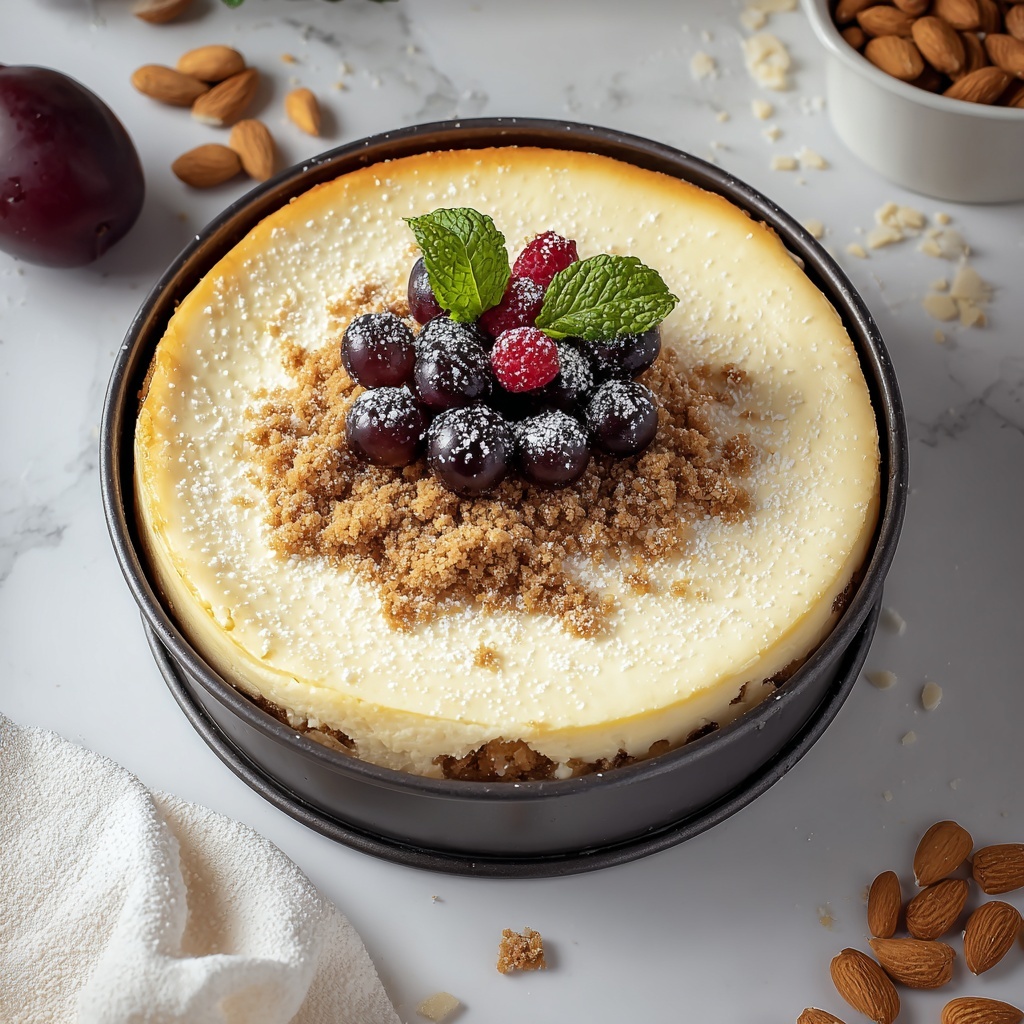
A simple dusting of powdered sugar or a light drizzle of glaze can add an elegant touch without overpowering the cake’s delicate vanilla notes. Fresh berries or edible flowers also make a charming garnish.
Side Dishes
This cake pairs beautifully with fresh whipped cream, a scoop of vanilla or berry ice cream, or even a tangy fruit compote to contrast the sweet richness.
Creative Ways to Present
Try layering your cake with different flavors of frosting or filling like chocolate ganache or lemon curd to surprise your guests. Decorating with colorful sprinkles or edible gold leaf can transform it into a stunning centerpiece.
Make Ahead and Storage
Storing Leftovers
Keep your leftover cake airtight at room temperature for up to two days or refrigerated for up to a week. Proper storage ensures it stays moist and flavorful.
Freezing
You can freeze the unfrosted cake layers wrapped tightly in plastic wrap and foil for up to three months. When ready, thaw in the refrigerator overnight before frosting and serving.
Reheating
If you’d like to enjoy your cake warm, a few seconds in the microwave wrapped in a damp paper towel will revive warmth and softness without drying it out.
FAQs
Can I substitute milk with a non-dairy alternative?
Absolutely! Almond, soy, or oat milk work well in this Classic Vanilla Cake Recipe, lending subtle flavors that complement the vanilla beautifully.
What if I don’t have unsalted butter?
You can use salted butter but reduce or omit the added salt in the recipe to avoid an overly salty flavor.
Can this recipe be made into cupcakes?
Yes! Simply fill cupcake liners about two-thirds full and bake for 18-22 minutes, checking with a toothpick for doneness.
How do I know when the cake is fully baked?
The best test is inserting a toothpick into the center—if it comes out clean or with just a few crumbs, the cake is done.
Is it okay to overmix the batter?
Overmixing can cause the cake to be dense and tough, so mix just until combined and smooth for the best texture.
Final Thoughts
There is something truly comforting about a beautifully baked Classic Vanilla Cake Recipe. It’s a testament to the joy of baking from scratch and the simple pleasures of a sweet, tender slice. Give this recipe a try—you might just find your new favorite go-to cake for any joyful occasion.
Print
Classic Vanilla Cake Recipe
- Prep Time: 0h 20m
- Cook Time: 0h 30m
- Total Time: 0h 50m
- Yield: 2 9-inch cakes (serves approximately 12)
- Category: Dessert
- Method: Baking
- Cuisine: American
Description
This classic vanilla cake recipe yields a moist and tender cake with a rich vanilla flavor, perfect for any celebration or dessert. It features a smooth batter made from creamed butter and sugar, eggs, vanilla extract, and a balance of flour and milk, baked to golden perfection in the oven.
Ingredients
Dry Ingredients
- 2 1/2 cups all-purpose flour
- 2 teaspoons baking powder
- 1/2 teaspoon salt
Wet Ingredients
- 1 cup unsalted butter, softened
- 1 1/2 cups granulated sugar
- 4 large eggs
- 1 tablespoon vanilla extract
- 1 cup milk
Instructions
- Preheat Oven and Prepare Pans: Preheat your oven to 350°F (180°C) and grease two 9-inch round cake pans thoroughly to prevent sticking.
- Mix Dry Ingredients: In a medium bowl, whisk together the all-purpose flour, baking powder, and salt until evenly combined.
- Cream Butter and Sugar: In a separate large bowl, cream the softened unsalted butter and granulated sugar using an electric mixer or by hand until the mixture is light, fluffy, and pale in color.
- Add Eggs: Beat in the large eggs one at a time, ensuring each egg is fully incorporated before adding the next for a smooth batter.
- Add Vanilla Extract: Stir in the vanilla extract thoroughly to infuse the batter with rich vanilla flavor.
- Combine Wet and Dry Mixtures: Gradually add the dry flour mixture to the wet ingredients, alternating with the milk, beginning and ending with the flour mixture to maintain batter consistency.
- Mix Batter: Mix until the batter is smooth and well combined, taking care not to overmix to keep the cake light and tender.
- Divide Batter: Evenly divide the cake batter between the prepared cake pans, smoothing the tops if needed.
- Bake: Place the pans in the preheated oven and bake for 25-30 minutes or until a toothpick inserted into the center of the cakes comes out clean.
- Cool in Pans: Remove the cake pans from the oven and allow the cakes to cool in the pans for about 10 minutes to set before removing.
- Cool Completely: Carefully invert the cakes onto a wire rack and let them cool completely before frosting with your favorite frosting or icing.
Notes
- Ensure butter is softened to room temperature for optimal creaming results.
- Do not overmix the batter to avoid a dense cake texture.
- You can substitute milk with buttermilk for a slight tang and tender crumb.
- Use toothpick testing to confirm doneness; moisture on the toothpick indicates more baking is needed.
- Let the cakes cool fully before frosting to prevent melting or sliding of the frosting.